Electronic Drive Technician Careers: From Early Motor Controls to Modern Automation
The role of the electronic drive technician has quietly become one of the most critical positions in modern industry. From manufacturing plants to energy systems, these skilled professionals keep motors, drives, and automation equipment running efficiently. Yet for employers, it remains where to find experienced electronic drive technicians—a challenge that continues to grow as technology advances faster than the workforce.

A Brief History of the Trade
Electronic drive technology traces its roots back to early DC motor controls in the late 19th and early 20th centuries. As industrialization surged, controlling motor speed and torque became essential for factories and production lines.
By the 1960s and 1970s, the introduction of solid-state electronics revolutionized the field. Silicon-controlled rectifiers (SCRs) and early variable speed drives allowed for more precise control. The real breakthrough came with Variable Frequency Drives (VFDs) in the 1980s and 1990s, enabling AC motors to operate with unprecedented efficiency and flexibility.
Today, electronic drive systems are deeply integrated into automation, robotics, and smart manufacturing, making the technician’s role far more complex—and valuable.
Major Manufacturers Shaping the Industry
Several global companies have driven innovation in electronic drives and automation systems, including Siemens, ABB, Rockwell Automation, Yaskawa, and Schneider Electric.
These manufacturers produce everything from VFDs and servo drives to full automation platforms. Their equipment is widely used across industries such as manufacturing, oil and gas, food processing, and logistics.
What the Role Looks Like Today
Modern electronic drive technicians are no longer just repair specialists—they are troubleshooters, programmers, and system integrators. They work on:
- Variable Frequency Drives (VFDs)
- Servo systems and motion control
- PLC-based automation systems
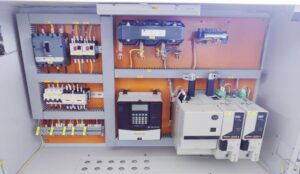
- Industrial control panels and power electronics
In many shops, employers are actively seeking adroit servo technician talent who can handle both mechanical and electrical aspects of motion control systems.
Skills Needed to Succeed
To thrive in this field, technicians must develop a combination of hands-on and technical skills:
- Strong understanding of AC/DC motor theory
- Ability to troubleshoot electronic components and circuits
- Experience with PLC programming and ladder logic
- Familiarity with industrial communication protocols (Ethernet/IP, Modbus)
- Knowledge of control systems and automation
It’s no surprise that employers spend amble recruiting dollars for a good PLC Technician who can confidently diagnose and program modern systems.
Programming & Logic Knowledge
While not always full-time programmers, technicians benefit from understanding:
- Ladder Logic (PLC programming standard)
- Basic structured text or function block diagrams
- HMI interface navigation and setup
Salary Expectations in the U.S.
Compensation varies by region, experience, and industry, but here’s a general breakdown:
- Entry-Level: $22–$28/hour
- Mid-Level: $30–$40/hour
- Experienced: $40–$55+/hour
The average electronic drive technician salary in the U.S. typically falls between $65,000 and $90,000 annually, with higher earnings possible in specialized industries or field service roles.
Industry Growth and Demand
The demand for electronic drive technicians continues to rise due to:
- Increased automation and robotics adoption
- Expansion of renewable energy systems
- Need for energy-efficient motor control solutions
- Aging workforce in skilled trades



As industries modernize, companies are investing heavily in automation infrastructure—making skilled technicians indispensable.
Why This Career Matters
Drive technicians sit at the intersection of mechanical systems and digital control, making them one of the most versatile and in-demand roles in the electromechanical field. For job seekers, it offers a stable, well-paying career with room for advancement. For employers, it represents one of the toughest positions to fill.
Final Thought
As technology evolves, so does the role of the electronic drive technician. What began as basic motor control has transformed into a highly specialized trade that powers modern industry.
For those willing to learn the systems, master the tools, and adapt to constant innovation, this career path offers both opportunity and longevity—making it a cornerstone of the electromechanical workforce.